Are You Raising a Murderer?
Domestic violence has more effects on children than you think.
Henry Lee Lucas, Richard Ramirez and Lee Choon Jae were among the many serial killers who came from bad homes.
After watching hours of Crime Documentaries on Netflix and doing some research of our own, we found that most serial killers had one in common; they had gone through some sort of early childhood trauma (eg. domestic abuse, family dysfunction).

Image via Digital Spy
The infamous Henry Lee Lucas who was believed to murder hundreds of people had abusive alcoholic parents. Growing up, his mother would dress him up as a girl and beat him. Experts believed that the phycological and physical he went through as a child was one of the factors of his serial killing behaviour.

Image via Yahoo
Another prime example would be Richard Ramirez, also known as The Night Stalker. Charged with the murder of 13 people in San Francisco and Los Angeles, it was discovered that he had to endure beatings from his father during his childhood.

Image via Daily Mail
One of South Korea’s most infamous serial killers, Lee Choon Jae, who confessed to killing 15 people, including his own sister-in-law, also had an unfortunate upbringing. Though never proven, he claimed to have been sexually assaulted by his older sibling as a child which might have caused the sexual nature of his killings.
This got us thinking — Are murderers born and raised at home?
Although not all survivors of domestic abuse become a criminal, the connection between the two cannot be ignored, even by experts.

Image via AboutKidsHealth
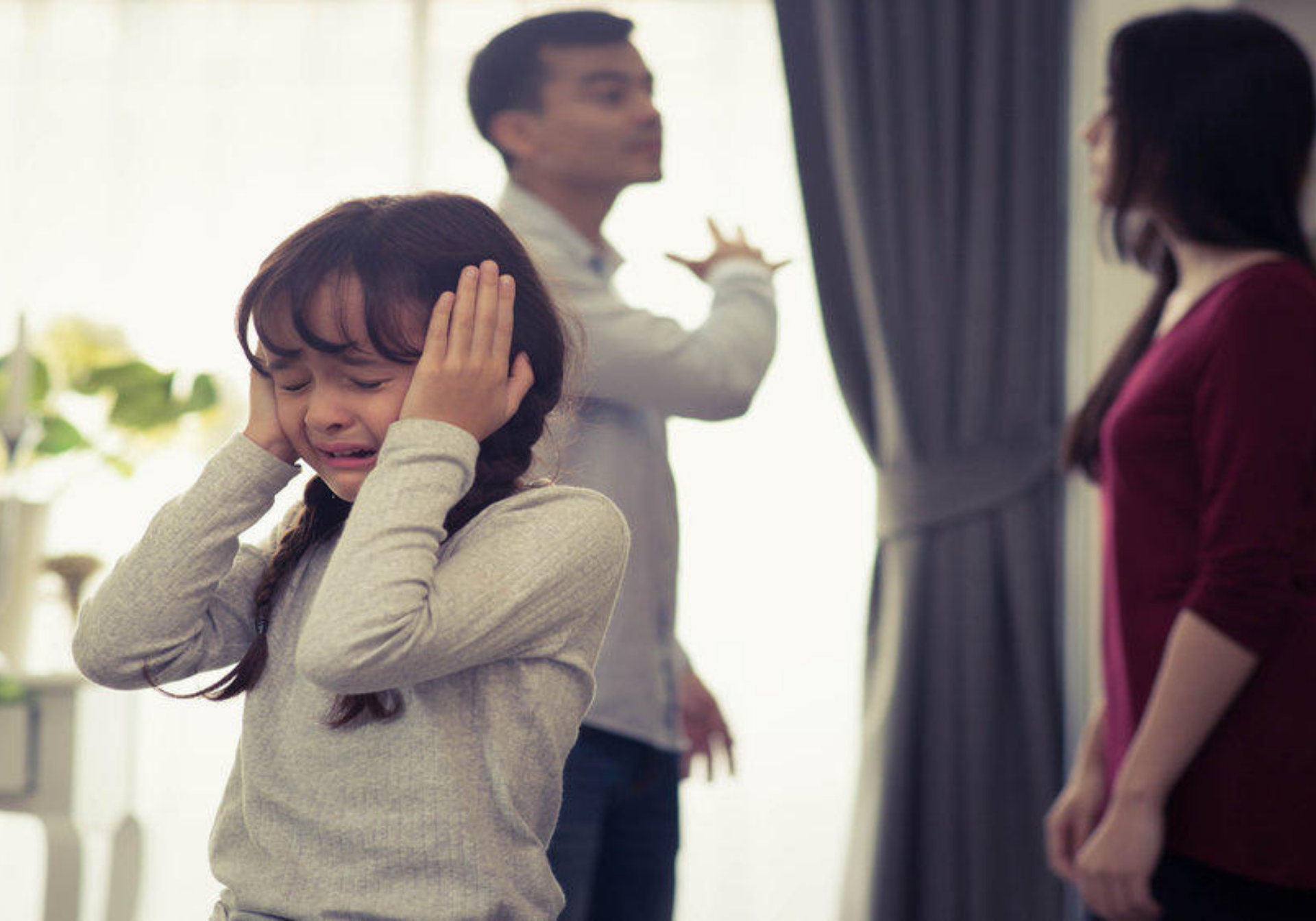
Researches found that children who were victims of domestic violence could experience emotional, mental and social damage that will inevitably impact their developmental growth. For example, some of them might lose feelings of empathy towards others while others might not have the ability to make friends and mingle with their peers due to social discomfort. In some worse case scenarios, the victims might even start showing signs of violence themselves.
Therefore, what is the likelihood of domestic violence victims showing violence in their normal lives?
Though there were tons of researches done on serial killers, no conclusion has been drawn to determine the relationship between domestic violence and murderers. Childhood trauma might play a role in raising violent children but ultimately, it is the killer’s choice to take the life of another.

Image via New Straits Times
Despite that, we should not ignore the danger of domestic violence. A report has shown that the cases of violence at home have increased ever since we were hit by the pandemic in 2020. For instance, the Talian Kasih hotline by the Women and Family Development Ministry had seen a 57 per cent increase in calls in regards to domestic abuse cases due to victims being confined at home with their abusers during the Movement Control Order (MCO).

Image via Parents Together
On that note, it just shows us how important a safe home is to the development of children, both physically and emotionally. A secure and stable home allows a child to take the risks necessary to be in relationships, explore and even, learn and try new things.
Furthermore, the familial relationships they have with their parents or guardians are also essential to their growth and personality development. When a child trusts and feels emotionally secure with their parents, they learn to be honest, differentiate what is right and wrong and most importantly, take responsibility and own up to their mistakes. This part of childhood development was what was missing from the childhoods of the above serial killers.
Hence, if you or anyone you know is currently experiencing any form of domestic abuse, please seek help from trusted loved ones and contact any domestic violence hotline listed below.

Image via New Straits Times
Do you think serial killers are due to nature or nurture? Share with us at info@xaviermah.my.